
Lunch and focus: what food advice can and cannot claim
It is tempting to explain an unfocused afternoon with one lunch. That conclusion is too certain. Attention, tiredness, sleep, workload and many other factors vary together. Food labels can still help people compare products, but they do not measure how a particular person will feel after eating.
What a label can tell you
EU food-information rules set out required information such as ingredients and nutrition declarations for many packaged foods. Read a label to compare a product with a similar product, check allergens, and see the declared nutrients. It does not diagnose a cause of fatigue or establish that a food will improve focus.
A useful next step
Build meals around ordinary preferences, access and context. If a pattern of tiredness is persistent, severe or concerning, a food article is not a substitute for professional assessment. Blurrix describes how it handles evidence and uncertainty on our methodology page.
Sources
Related reading
Ultra-processed food on EU and Czech labels | Sweeteners: safety and substitution
Sources
Limitations: Food labels describe declared product information. They cannot establish the cause of an individual's fatigue or predict focus after a meal.
Source review date:
- Regulation (EU) No 1169/2011 (https://eur-lex.europa.eu/eli/reg/2011/1169/oj)https://eur-lex.europa.eu/eli/reg/2011/1169/oj
Share this article:
Related Articles
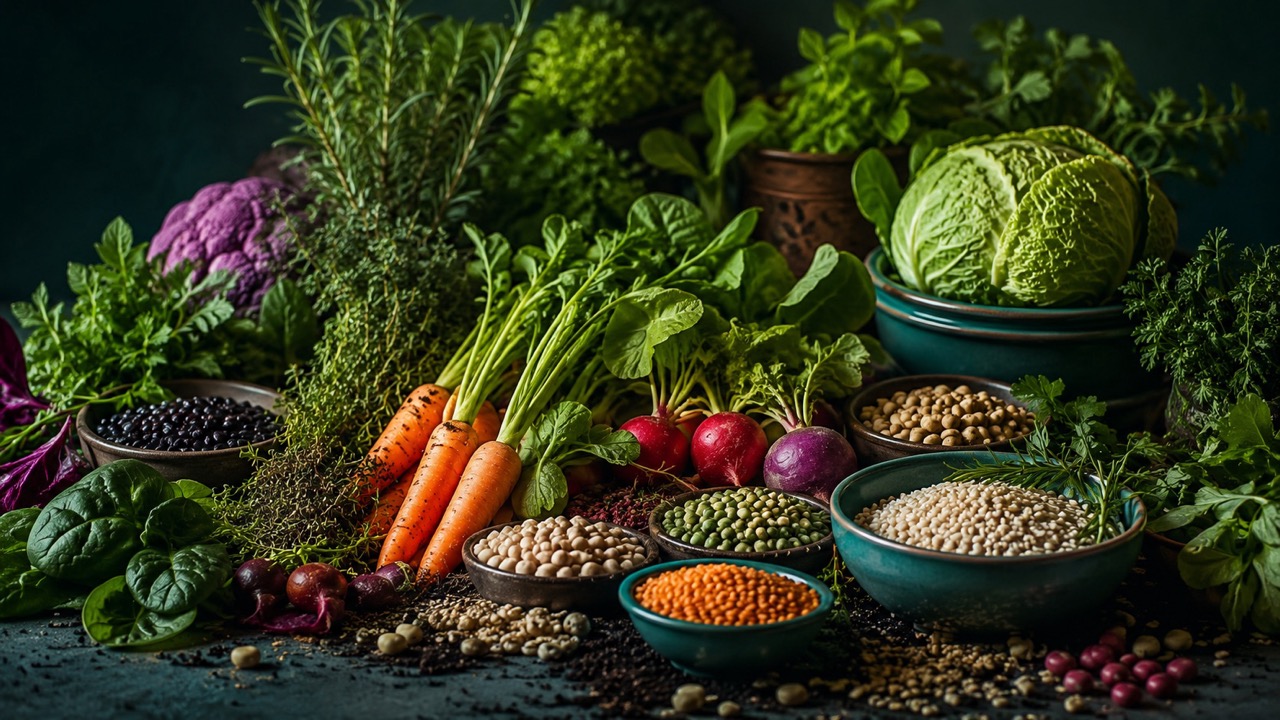
Food variety and microbiome claims: keep the evidence in view
Microbiome research is active, but a food list cannot diagnose gut health or promise longevity. Variety can be a practical food question without those claims.

Bathroom-shelf claims and hormones: what this article cannot diagnose
An ingredient list alone does not diagnose hormone disruption. Treat alarming cosmetic claims with care and use regulatory information rather than fear-based shortcuts.
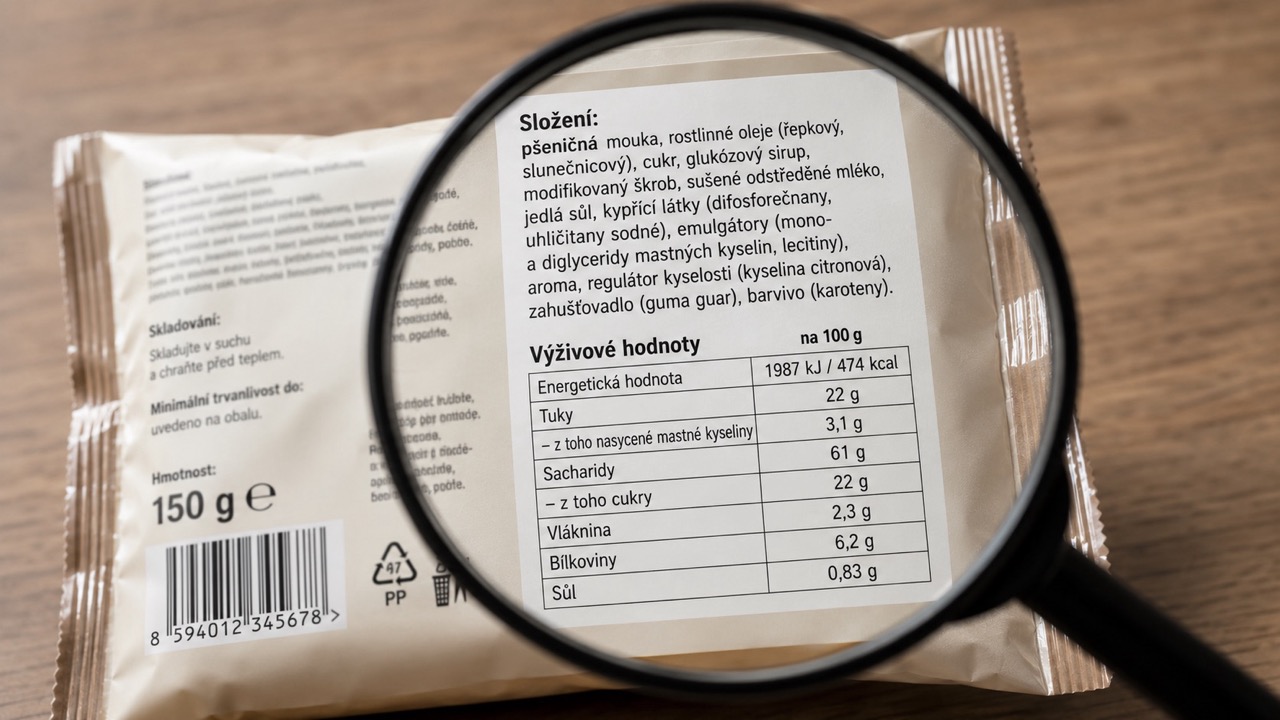
Ultra-processed food on EU and Czech labels
NOVA can frame a discussion about processing. EU labels provide regulated product information. Neither is a verdict on a person or a single meal.